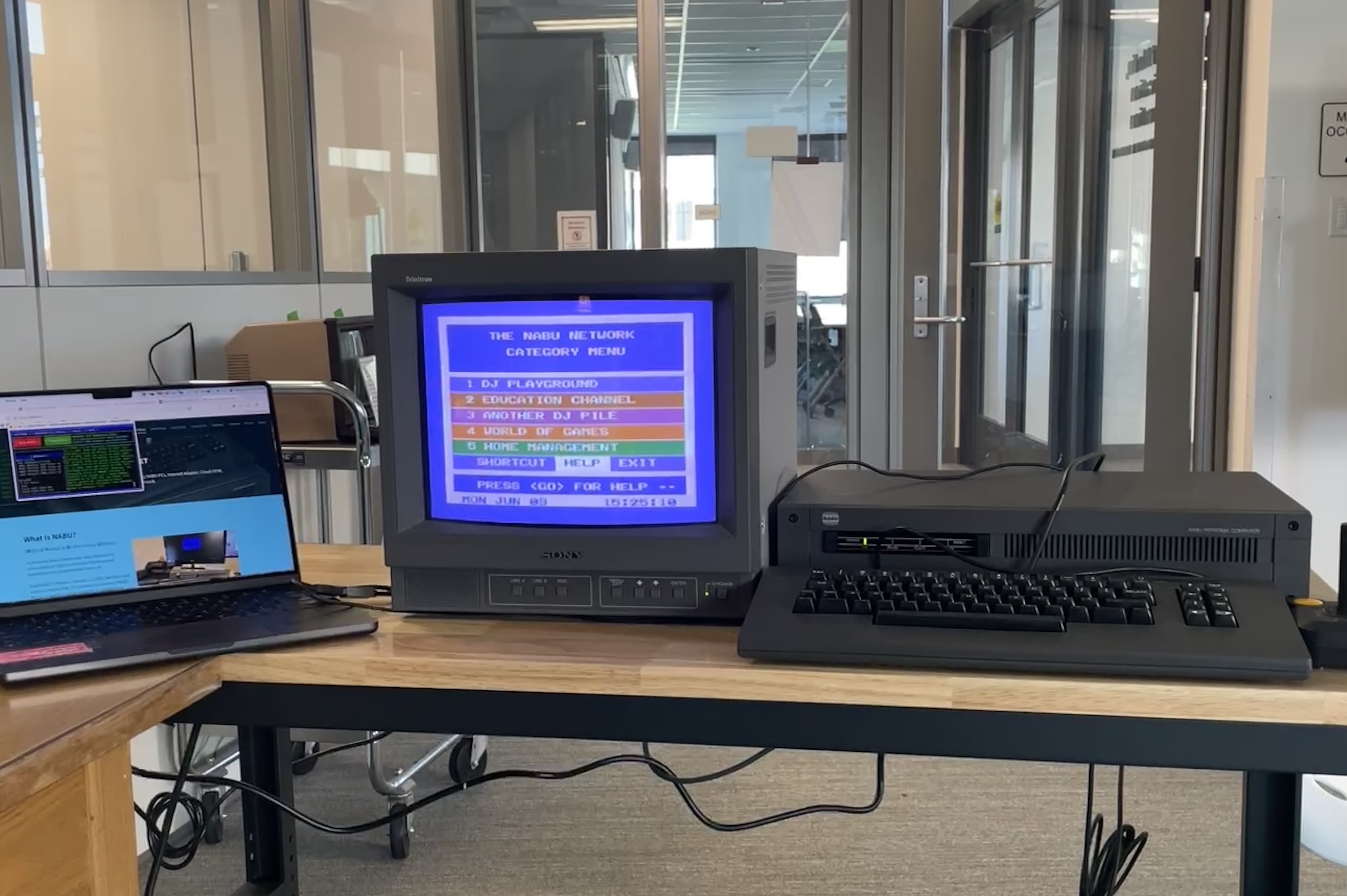
One of the networks I wrote about in Other Networks: A Radical Technology Sourcebook is the NABU Network (or the Natural Access to Bi-Directional Utilities Network). This was the only instance of a two-way network that operated over cable television. Users could rent or purchase a NABU Network PC, which used their home cable TV subscription to access NABU’s servers and, for a monthly fee, provided access to software and information. The computer could also function on its own, as it had a 80K capacity along with a sound generator and a graphics processor. The NABU servers were minicomputers called “head ends” whose digital output had to be modulated with an RF modulator before it could be transmitted over coaxial cable; the transmission then moved through what NABU called a “combiner,” a piece of equipment that merged NABU programs with the other information being transmitted over cable; the transmission subsequently moved through the “adaptor,” which was the interface between the cable and the user’s NABU PC, thereby making content appear on the user’s TV set.
NABU Network service was first offered to select subscribers in Ottawa, Canada in the spring of 1982. One of the appeals of NABU was that its transmission speed was, according to one of its corporate pamphlets, over 21,000 times faster than the transmission rate over telephone lines. In fall 1983, it was announced in the trade publication Cable Marketing that NABU would extend its Ottawa service, which had access to 85,000 cable subscribers, to Richmond, Virginia and to Vancouver, Canada which had access to 250,000 cable subscribers. The extension was only one-way, with plans for two-way distribution; it is unclear whether two-way service was ever available to these extensions. In February 1984, it was announced in Cablevision that NABU was also extending to 5,000 cable subscribers in Alexandria, Virginia: “The Alexandria site was chosen, officials say, because of its proximity to Washington with the chance to show off the virtues of the network to officials in Congress, the NCTA [the National Cable & Telecommunications Association], the FCC and other important parties.” In December 1985, the publication The Hard Copy reported that NABU made an agreement with the Japanese firm ASCII that involved the installation of fifty NABU systems in select Japanese homes. In August 1986, NABU sent letters to its subscribers informing them that “Due to a low subscriber base and the ongoing problem of acquiring interesting and valuable software, we regret to inform you that THE NABU NETWORK will not be continuing its service beyond August 1986 . . . We hope you have benefited from your exposure to THE NABU NETWORK and that you will continue to pursue the benefits of computer technology.”
According to a price list dated September 1984, it cost $19.95 CDN a month to rent the hardware and software with the option to add on entertainment, education, or home management software for anywhere from $4.95 to $7.95 a month, and another disk drive for $15.95 a month (adjusted for 2024, one would pay anywhere from $44 USD to over $100 USD a month).
Ex-FCC Chairman Tom Wheeler, who was president of NABU for its final year of service, wrote an editorial on net neutrality for Wired magazine in 2015 in which he used NABU as an example of what happens when networks are closed. For Wheeler, even though “NABU was delivering service at the then-blazing speed of 1.5 megabits per second,” which was hundreds of times faster than their competitor America Online, NABU folded because they “had to depend on cable television operators granting access to their systems,” whereas America Online “had access to an unlimited number of customers nationwide who only had to attach a modem to their phone line” to receive service. Simply put: “The phone network was open whereas the cable networks were closed.” However, Scott Wallsten responded to Wheeler’s editorial by pointing out that NABU failed not so much because it relied on a closed network, but because it could not provide enough meaningful resources to compel people to subscribe and also because cable infrastructure was not equipped to handle more than minimal two-way traffic.
Beginning in December 2022, ex-NABU engineer Leo Blinkowski and DJ Sures, whose family members helped found NABU, launched the NABU Preservation Group (also known as RetroNET) as part of their now-successful attempt to develop a NABU Internet Adapter software. As they write on their website, “This software emulates the NABU Network Adapter, which would have been the hardware used to connect NABU Personal Computers to the NABU Network. The NABU Internet Adapter provides entertainment channels, such as the original NABU Network from 1984 and new homebrew software, demos and utilities.”
In an incredible coincidence, a year later in 2023 the online magazine VICE reported that “2,200 Forgotten Vintage Computers Are Being Liberated From a Barn in Massachusetts.” The Media Archaeology Lab managed to purchase four brand new, unopened NABU computers from 1984 along with a NABU adaptor. It’s taken us awhile to find the time and space to experiment with the NABU RetroNet but here, finally, are some pictures of files I found while browsing the various iterations of the network from 1983 to 1986. While getting Rickrolled after trying to play NABU Doom was probably the highlight…
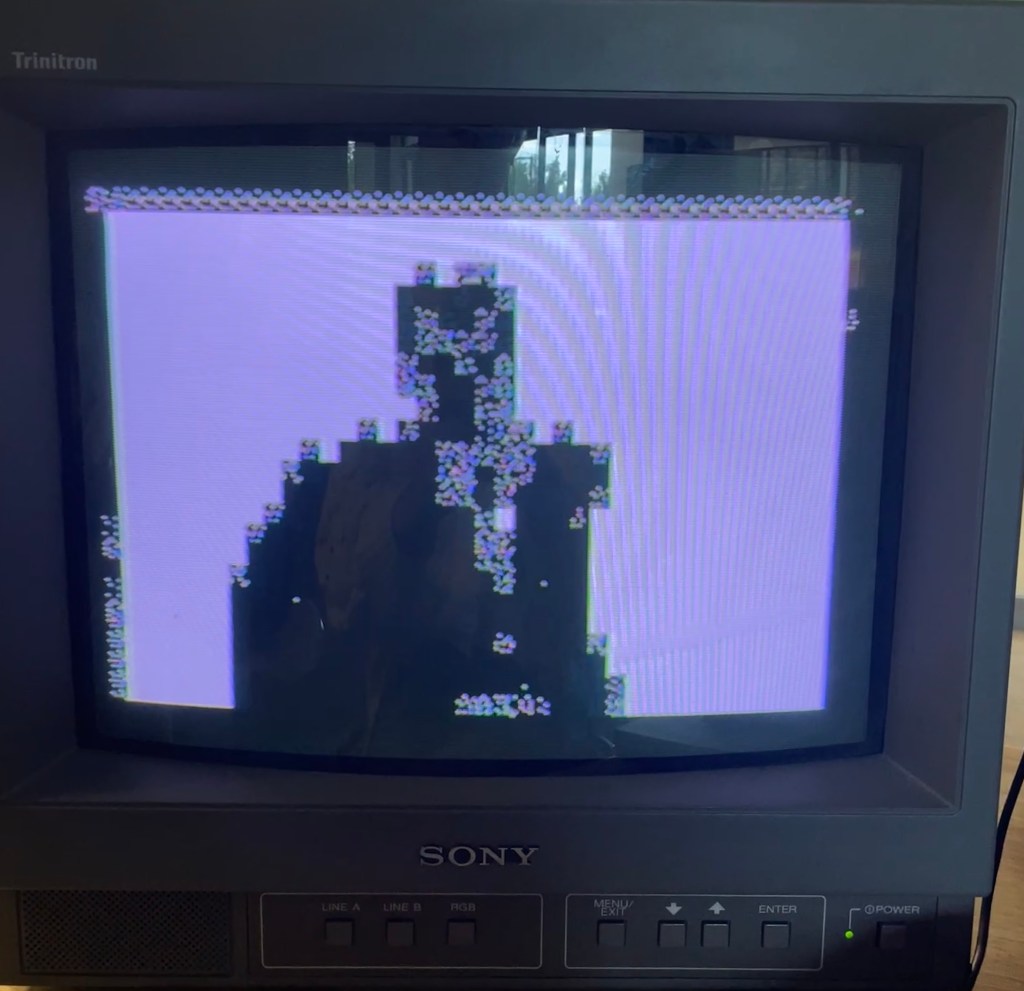
…some of my other favorites were classified ads for computer rentals and whatever “THE CHURCH OF THE GREAT PROFIT PROSPER” is:
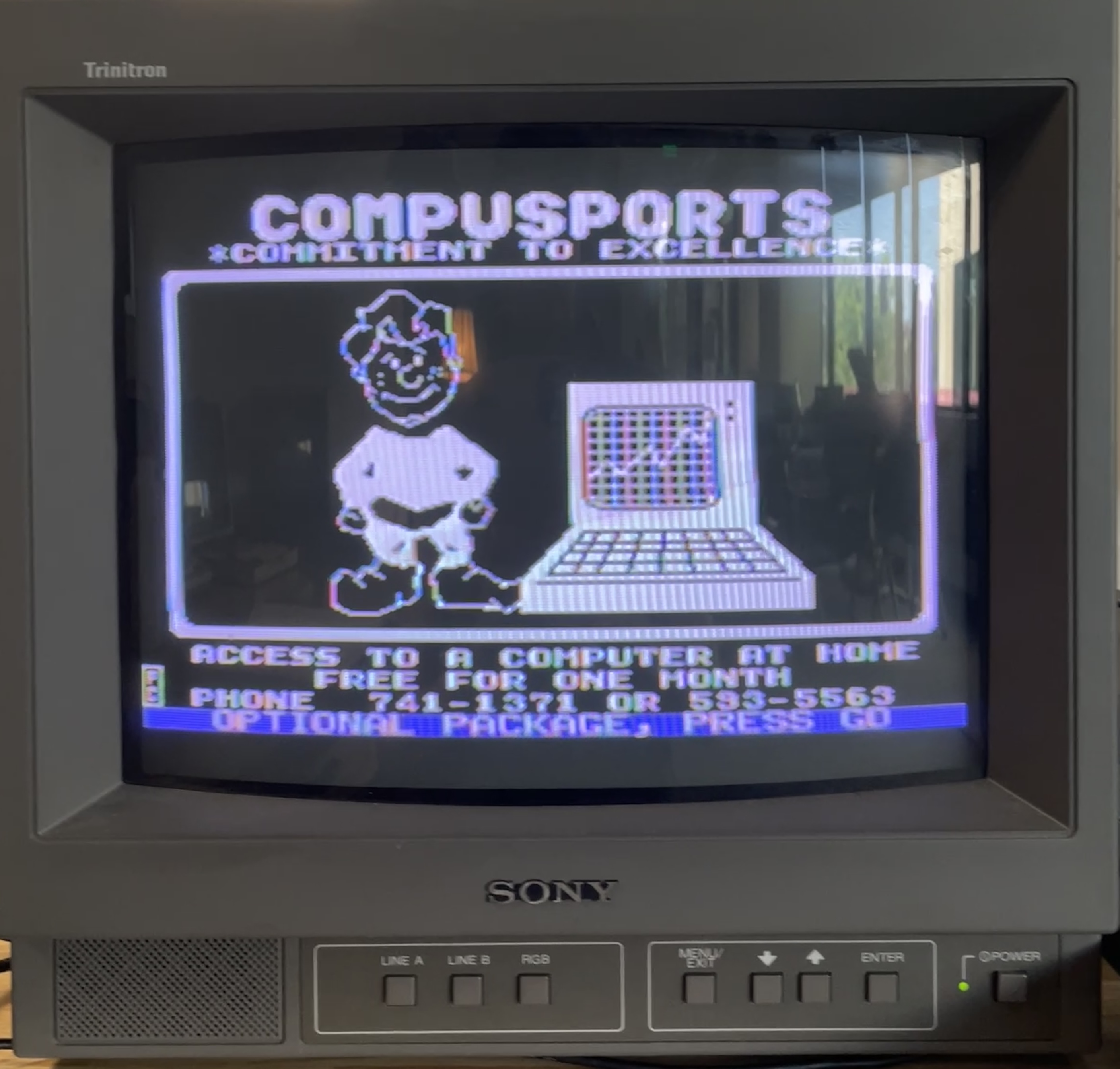

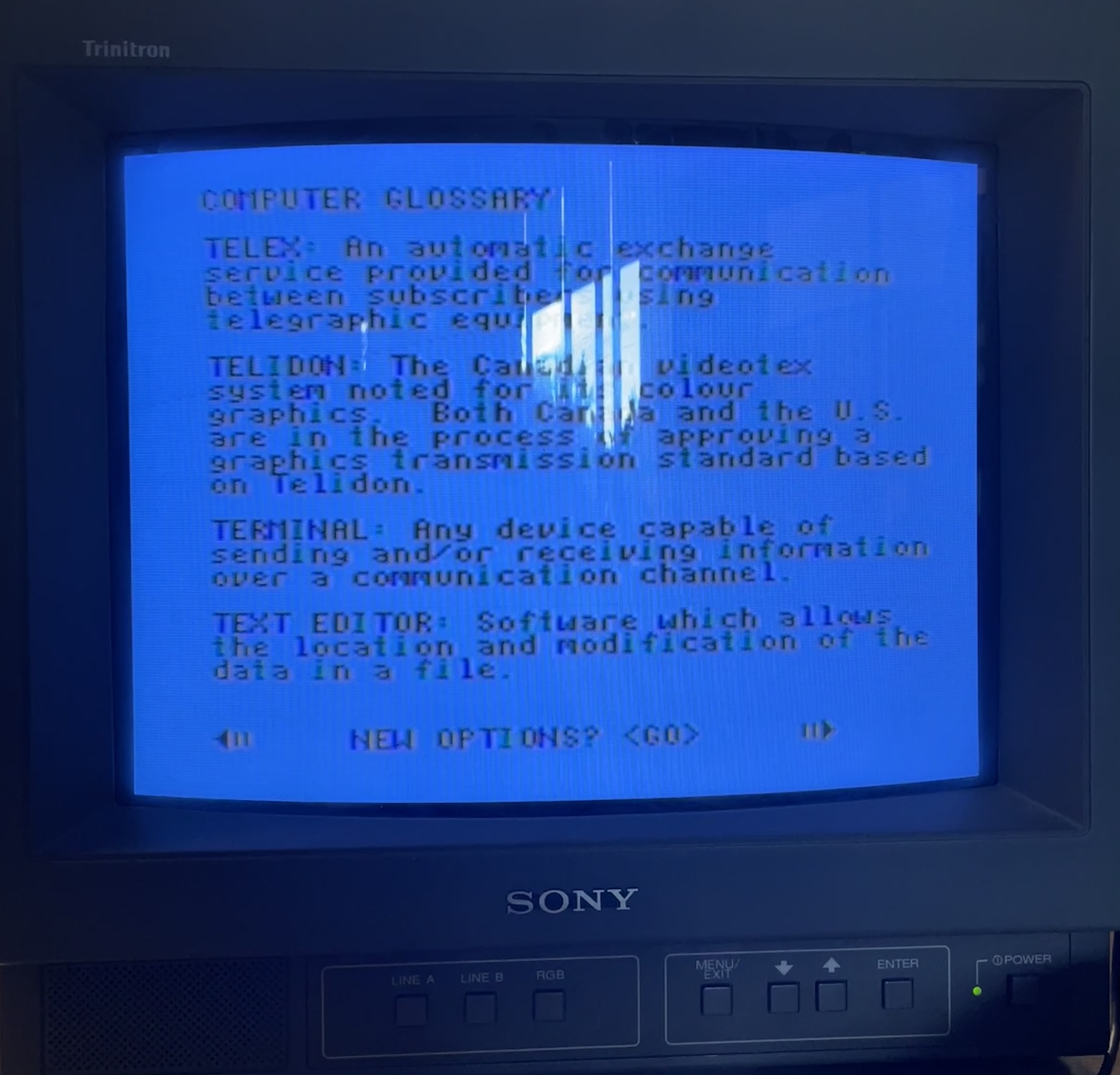
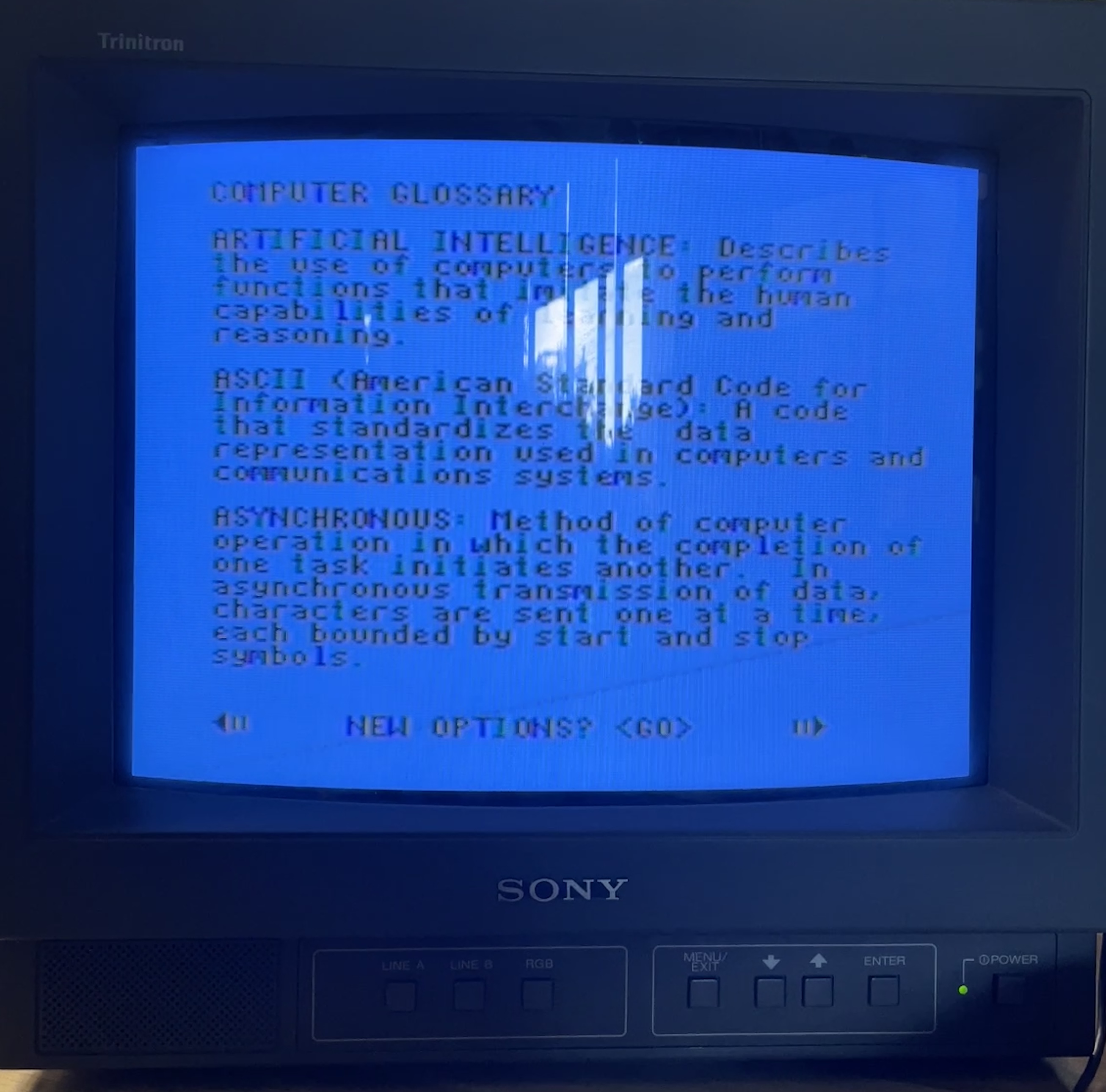
And for some reason I have a penchant for this computer glossary that gives us mid-80s definitions of network, telex, telidon, time share, “electronic mail,” and even artificial intelligence:
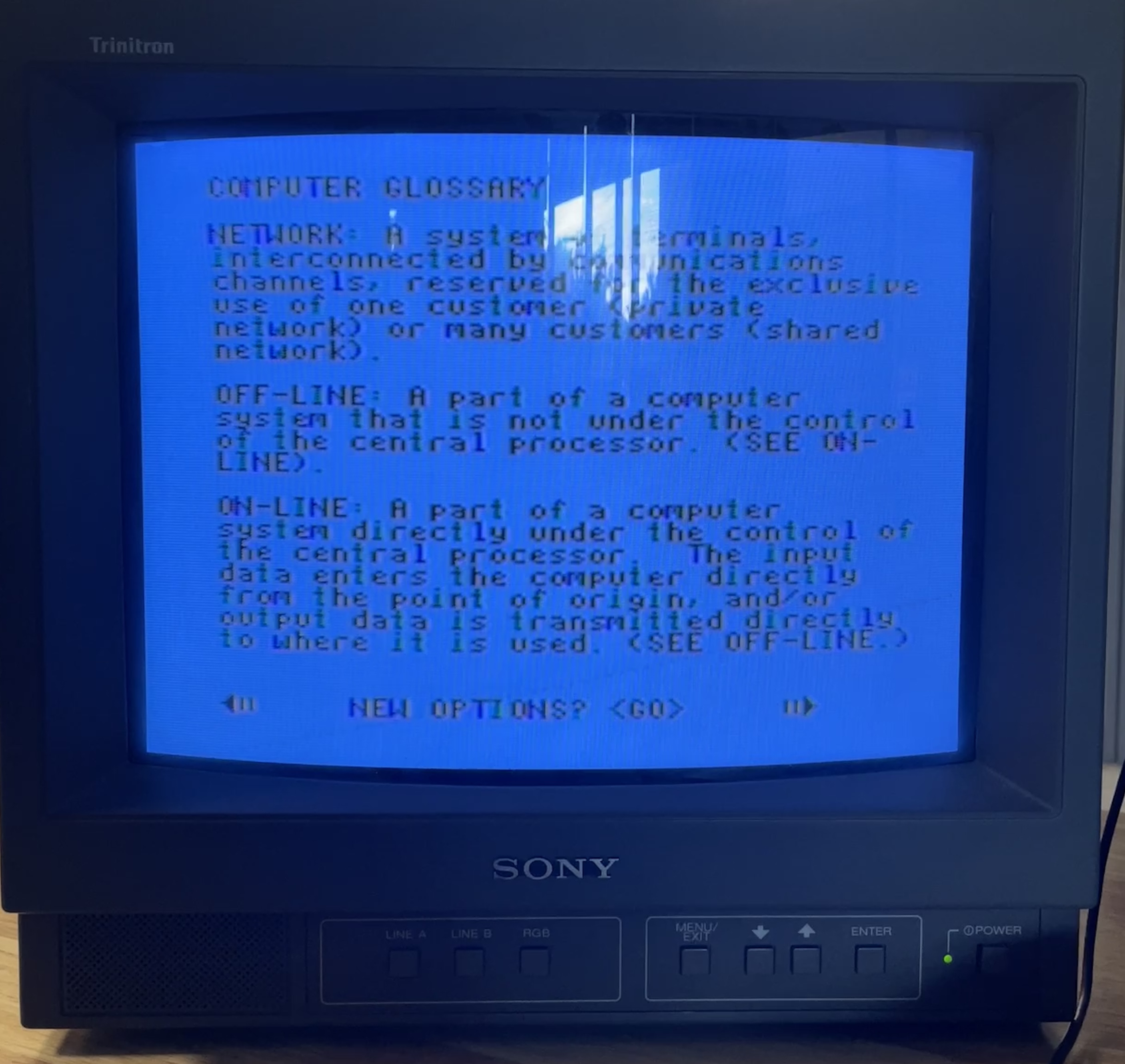



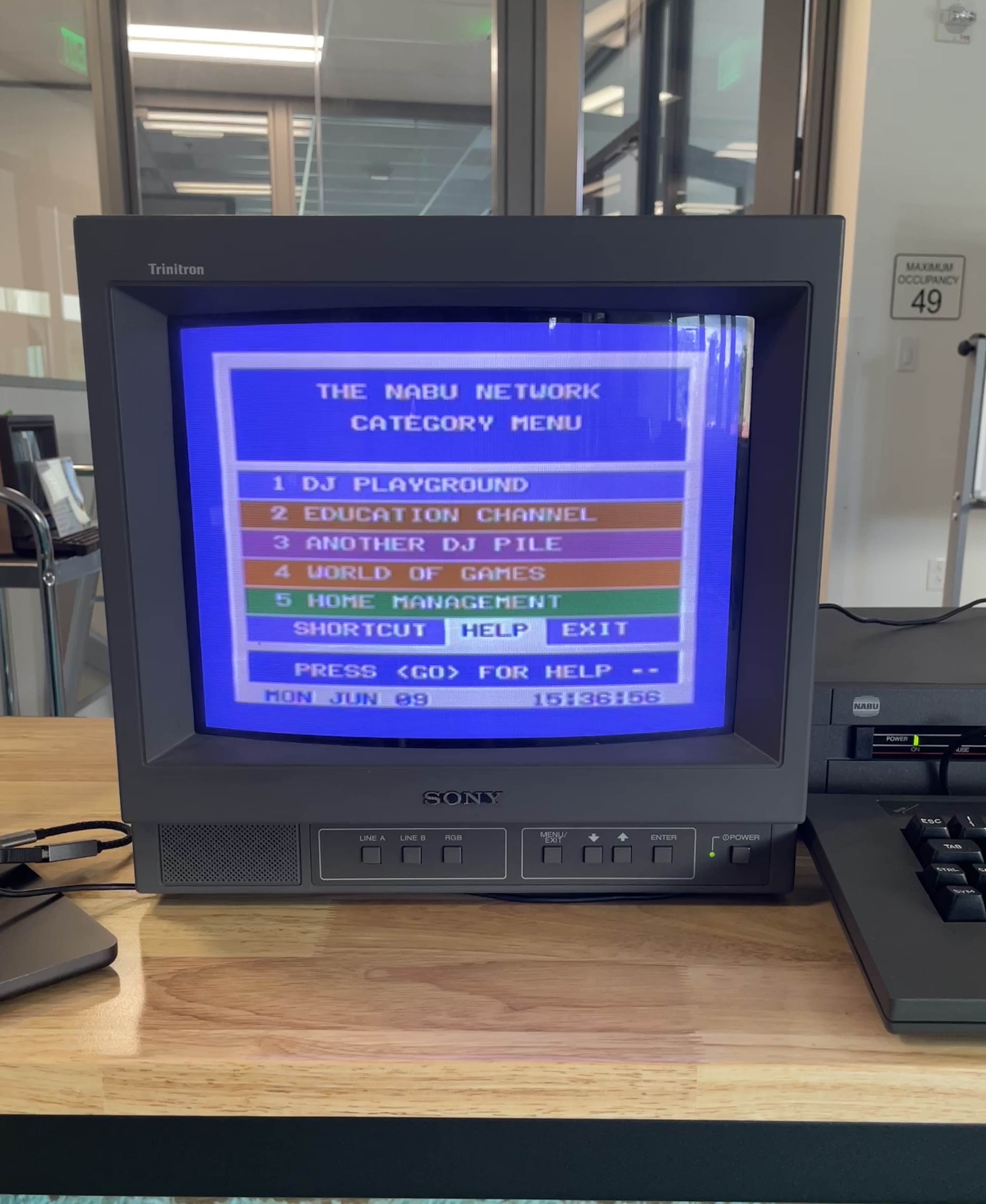
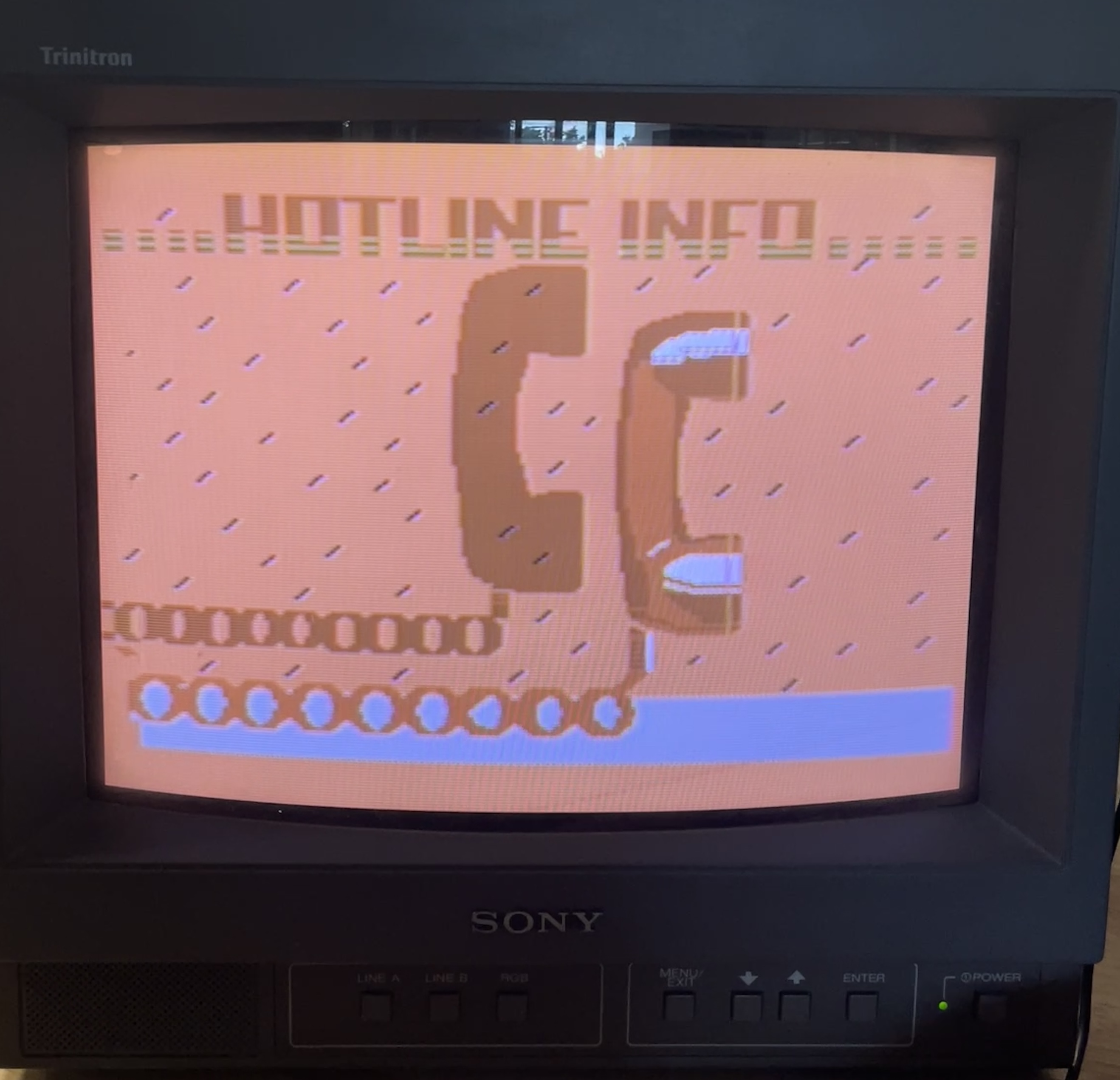
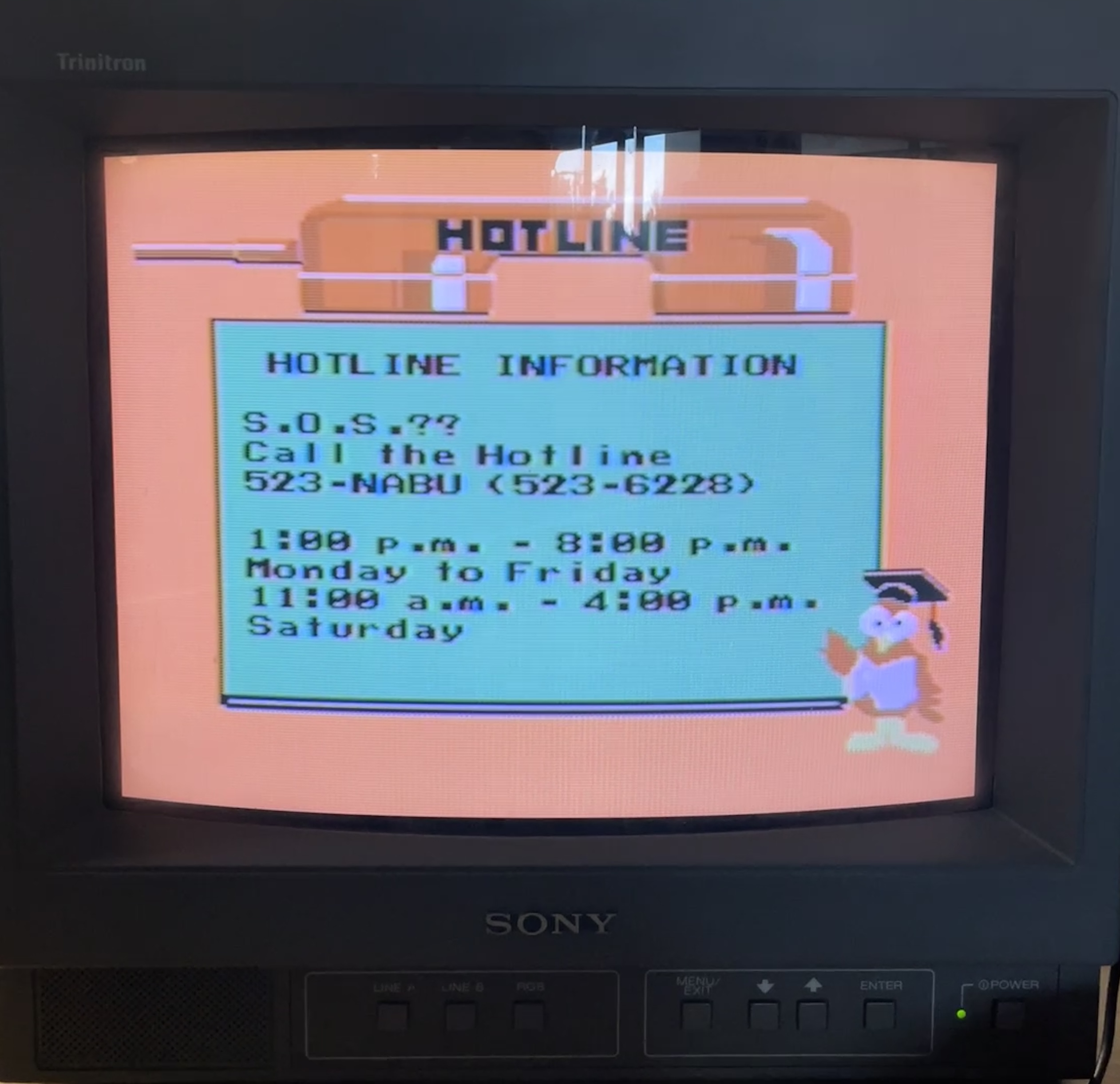
And of course the beautiful, bright simplicity of the menu screens and the pages advertising the NABU hotline you could call if you ever got in a network pickle:

Sources: “NABU PC Technical Specifications,” Spec. 50-90020490, nabunetwork.com; “Nabu Comes On Line,” Cable Marketing 3:9 (October 1983); “Heading South for the Market,” Cablevision (February 6, 1984); NABU letter to customers, dated February 6, 1984, York University Computer Museum NABU archives; “Price List and Subscription Rates,” York University Computer Museum NABU archives (The NABU Network, September 1984); The Hard Copy 1:1 (undated), York University Computer Museum NABU archives; Tom Wheeler, “This Is How We Will Ensure Net Neutrality,” Wired magazine (February 2015); Scott Wallsten, “The NABU Network: A Great Lesson, But Not About Openness,” The Technology Policy Institute website (February 5, 2015); “About RetroNet,” Nabu.ca website
 loriemerson